
The $39 Billion Home Warranty Opportunity: What DTC Marketers Need to Know
The U.S. home warranty market is large, growing, and structurally underserved — a combination that creates real opportunity for marketers who understand the data.
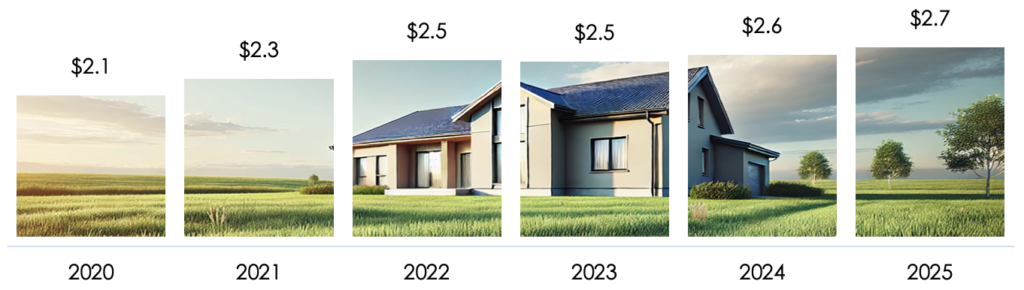
The direct-to-consumer (DTC) home warranty channel reached $2.7 billion in sales in 2025, growing at a 5.2% CAGR since 2020. Yet that figure represents just a fraction of the addressable opportunity: an estimated $39 billion if every eligible homeowner carried a warranty. Roughly 80 million homeowners currently have no warranty coverage at all.
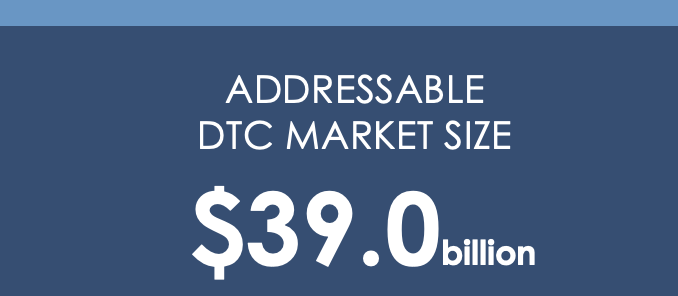
For DTC marketers, those numbers tell a clear story: the pipeline is enormous, the category is underpenetrated, and the right data can be the difference between acquiring the right customer and burning budget on the wrong one.
The Structural Case for DTC Home Warranty
Home warranties have historically been sold through the real estate channel — a seller or buyer picks one up at closing, it covers the first year, and renewal rates hover around 30%. The DTC model is structurally different and, from a marketer’s perspective, considerably more attractive.
DTC warranties are typically structured as 36-month terms with average contract values around $4,500, sold through 24-month installment plans. Renewal rates exceed 70% — more than double the broker channel. That’s a recurring revenue dynamic with strong lifetime value, which means customer acquisition economics can support a more aggressive spend profile than in one-and-done transactional categories.
The channel shift is already underway. DTC sales have grown from $2.1 billion in 2020 to $2.7 billion in 2025, and DTC’s share of new originations continues to rise at the expense of real estate-driven sales.
Three Demand Drivers Worth Watching
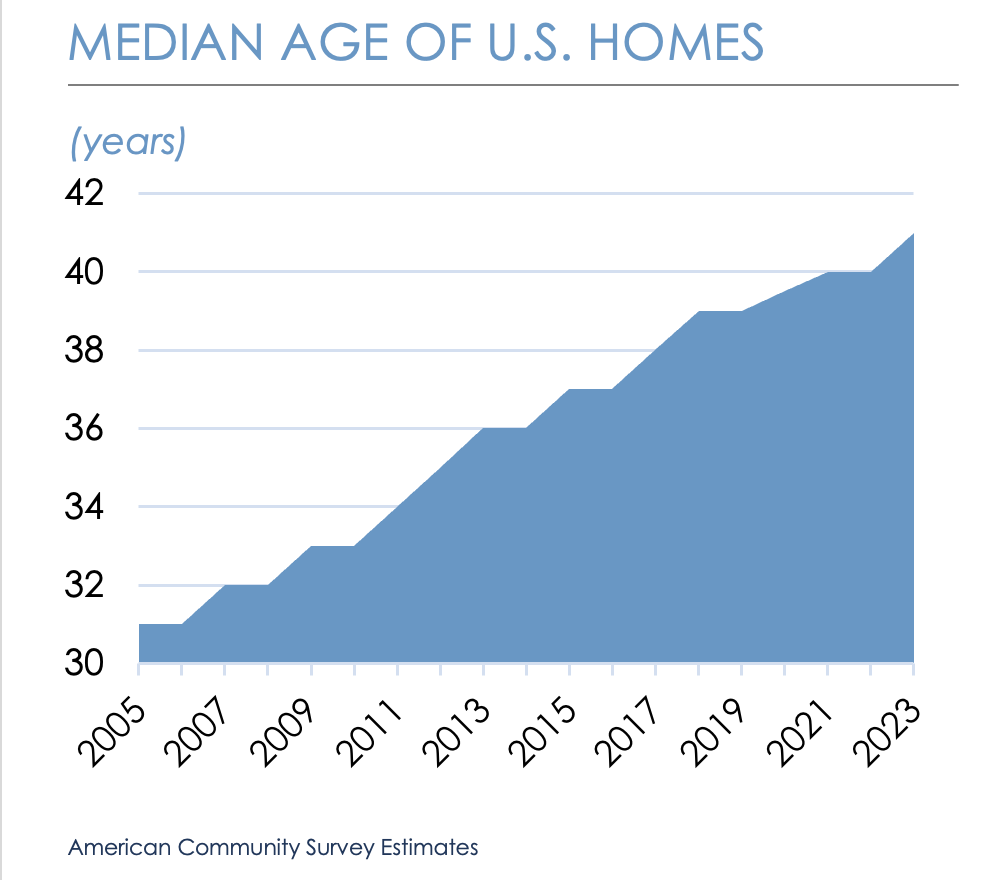
1. Aging housing stock. The median age of a U.S. home hit an all-time high of 41 years in 2023. More than 5.7 million homes have surpassed 15 years of age — a meaningful threshold where HVAC systems, plumbing, and major appliances begin to fail at higher rates. Older homes mean more claims, yes, but more importantly, they mean more motivated buyers. A homeowner with a 20-year-old HVAC unit is a very different prospect than one in a newly built home.
2. Rising repair costs. Since 2020, prices for HVAC and refrigeration have increased approximately 49% — well ahead of wage growth at 30% over the same period. Appliances are up roughly 33%. These aren’t abstract statistics; they’re the backdrop against which your target consumer is making financial decisions. Budget protection messaging has moved from a nice-to-have to a genuine value proposition.
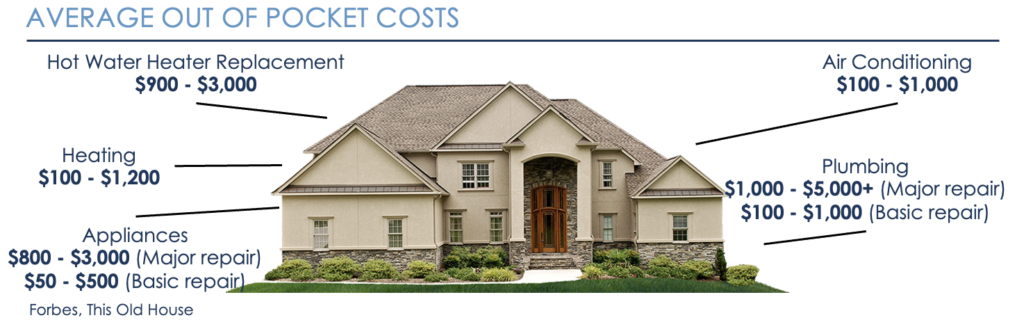
3. Thin consumer savings buffers. Approximately 35% of U.S. homeowners have less than $1,000 saved for home repairs, despite average annual maintenance costs exceeding $10,000. A single HVAC replacement can run $1,000–$3,000. Major plumbing repairs can exceed $5,000. For a large portion of the homeowning population, a home warranty isn’t a luxury — it’s a financial backstop.
What This Means for Data-Driven Acquisition
The combination of these three factors — aging stock, rising costs, and limited savings — defines a highly targetable consumer segment. Effective DTC home warranty marketing requires matching the right message to the right household at the right moment.
Key signals worth modeling include:
- Home vintage — homes 10–20 years old represent the sweet spot of need and affordability
- Geographic concentration — older housing stock skews toward the Midwest, Northeast, and parts of the South
- Financial profile — households with moderate savings and fixed incomes are disproportionately responsive to budget-certainty messaging
- Prior home service spend — recent HVAC service calls or appliance repair activity are strong intent signals
The DTC category also skews toward direct mail and digital as primary acquisition channels, making it well-suited to data-driven optimization across both offline and online touchpoints.
The Competitive Landscape
The DTC segment remains highly fragmented, with more than 50 operators ranging from large vertically integrated platforms to small regional marketers. The ecosystem includes distinct roles: marketers who acquire customers and handle distribution, administrators who design contracts and manage claims, payment plan companies that finance the purchase, and service provider networks that handle the actual repairs.
For marketers, fragmentation means competitive white space but also the need for differentiation on both product and acquisition strategy. Brand trust, claims transparency, and service quality are increasingly important as the category grows and consumer sophistication rises.
Further Reading
For a detailed look at the home warranty industry — including market size data, channel dynamics, and an overview of the competitive landscape — Colonnade Advisors has published a comprehensive industry report: Home Warranty Industry Report 2026.
Dark Sky Data provides data and analytics solutions for direct-to-consumer marketers in the warranty and financial services sectors.