
Oct 16

F&I Trends Q2 2025: Profit Resilience Amid Tariff Turbulence

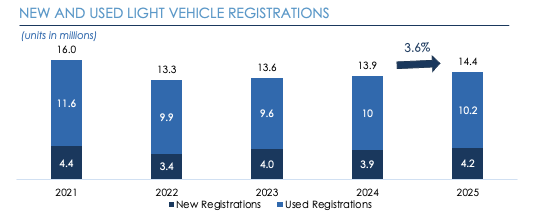
Even with tariff headlines and affordability concerns, F&I performance stayed solid in Q2 2025. Dealers continued to capture profit per vehicle, consumers leaned harder into protection products, and the underlying vehicle mix shifted in ways that will shape the next 12 months of opportunity. Sales Momentum Holds Despite Tariff Headwinds U.S. new-light-vehicle sales averaged 16.1 […]
Sep 16

Warranty Administrators: A cautionary tale—and a fix you can implement today

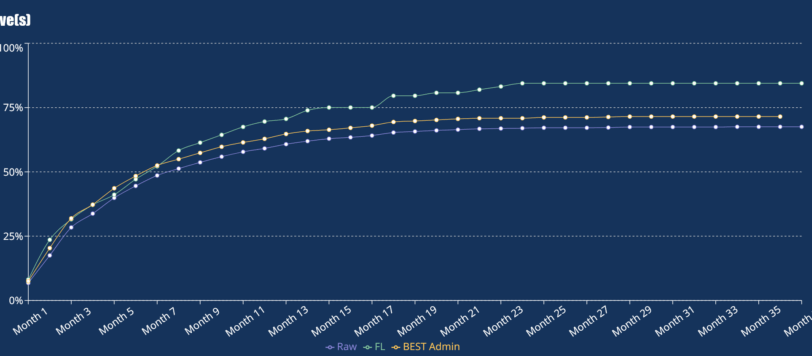
When it’s time to sell your company, everything gets scrutinized. Especially the numbers. For F&I administrators, few metrics carry more weight with buyers than the loss ratio—and yet that number is only as accurate as the earnings curve behind it. If your curve is wrong, your loss ratios are wrong. And if your loss ratios […]

Jul 30

Cancellation Curves: What Slope Tells You That Totals Can’t

At high rate of early cancellation can fundamentally alter the shape of the graph.

In experience curves, the trajectory of cancellations matters more than the final number. For VSC and home warranty marketers, the timing of cancellations drives profitability. Early cancels destroy cash flow—so don’t just track how many. Track when. Why do early cancellations hurt more? If you’re a VSC marketer or home warranty marketer, you know cancellations […]

Jul 28

How to Get Your Finance Company to Lower Your Reserve Rate

When you’re scaling direct-to-consumer sales in the Vehicle Service Contract (VSC) or home warranty space, cash flow is king. You launch a $100,000 campaign. You pay your mail house and lead vendor on June 1. The mail hits mailboxes on June 10. Responses trickle in through early July. You close sales—but then wait 45 days […]

Jul 20

Rule of 78s

Example of earnings curve methodologies

The Rule of 78s is a revenue recognition method used in the F&I industry that front-loads earnings—recognizing more revenue in the early months of a contract and less in the later ones. Unlike the Pro Rata method, which spreads revenue evenly across the contract term, Rule of 78s assigns higher earnings to earlier periods based […]

Jul 20

Reverse Rule of 78s

Example of earnings curve methodologies

The Reverse Rule of 78s is a revenue recognition method that back-loads the earnings curve—recognizing less revenue in the early months of a contract and more in the later months. It uses the same weighted formula as the traditional Rule of 78s but flips the order, assigning higher earnings to later periods. Unlike Pro Rata, […]

Jul 18

How the Wrong Earnings Curve Almost Cost an F&I Administrator Millions When Selling the Company

When preparing a company for sale, financial optics matter. For F&I administrators, few metrics carry more weight with buyers than loss ratios—and those ratios are only as accurate as the earnings curve behind them. F&I earnings curve optimization must happen before a company goes up for sale. Here’s a real-world example of how defaulting to […]

Jul 17

VSC Administrators: See the Cancellation Problem Before It Hits Your Loss Ratio

If you’re administering Vehicle Service Contracts, VSC cancellations aren’t just noise—they’re a direct hit to profitability. Refund exposure. Margin compression. Loss ratio volatility. Whether contracts are sold direct-to-consumer or through dealerships, VSC cancellations are a real and rising cost. And yet, most administrators aren’t actively tracking how, when, and where these VSC cancellations are happening. […]

Jun 19

Earnings Curve Methodologies in the F&I Industry

Example of earnings curve methodologies

An earnings curve determines how revenue is recognized over time for an F&I contracts, such as VSCs, windshield, PDR, appearance protection, and tire & wheel. The method you choose directly affects reported loss ratios, reserving, valuation, and timing of earnings and cash flow.  The four most common earnings curve methodologies are: Rule of 78s Reverse rule […]

Jun 18

Marketers Can Take Control of VSC Cancellations with an Experience Curve

If you’re selling Vehicle Service Contracts (VSCs) directly to consumers, you’re operating in a high-cancel environment. Many marketers see 40–80% of contracts cancel, and flat cancels—those within 30 days—are especially painful. They erase margin, trigger chargebacks, and undermine performance metrics. But not all VSC cancellations are created equal. Contracts that cancel later are far more […]