
The Weekly Curve: Your Participation Structure Determines Your Exposure and Your Reporting Determines Whether You See It
Issue No. 4 | April 28, 2026
For warranty administrators who manage loss ratios, reinsurance, and contract performance.
This Week: The DTC Channel and Your Book
THE CURVE: 12.3%
The DTC VSC channel is growing at a 12.3% CAGR, per Colonnade Advisors’ March 2026 whitepaper. That is the top-line number. The one that matters for administrators sits underneath it: only 44% of eligible U.S. vehicles carry any VSC coverage. As the DTC channel grows into that gap, the composition of the book changes. More contracts are being written on aging, high-mileage vehicles within a fleet where the average vehicle age is now 12.8 years, and on consumers who did not purchase coverage at the dealership.
That is a different risk profile than a factory-warranty-adjacent contract written at the point of sale. Knowing which mix you are administering, and how the earnings curve was built, is the first question to answer before a Q2 reserve review.
THE ADMINISTRATIVE ANGLE
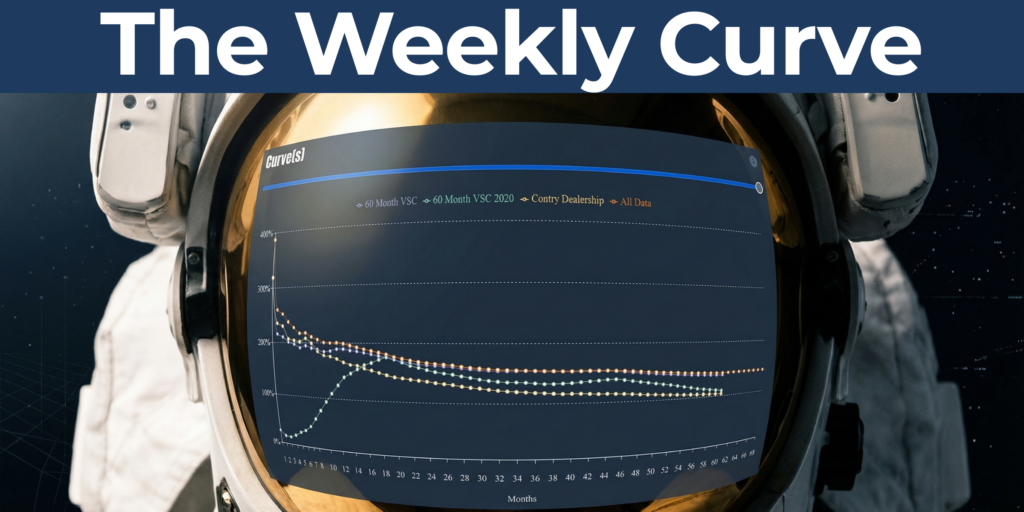
DTC contracts behave differently because the payment sits as a visible, standalone line item. That visibility changes cancellation behavior, not just in rate, but in timing. Two books can show the same cancellation rate and produce different economics depending on when cancellations occur across the contract cohort. Earned premium, reserve release timing, and reinsurance positioning all flow from the shape of that curve.
An earnings curve built on dealer-originated data does not describe a DTC book. If DTC volume is measured against a curve built for a different channel, newer cohorts will underperform immediately. The difference compounds each quarter the assumptions remain unchanged.
The 12.3% CAGR means DTC volume is increasing as a share of most books. If the methodology has not been updated to reflect that shift, the gap between reported and actual performance will continue to widen.
FROM THE BLOG
The DTC VSC Market in 2026: Why the Fastest-Growing F&I Channel Is Just Getting Started
Colonnade’s March 2026 whitepaper outlines the structural drivers behind DTC VSC growth, including repair cost inflation, an aging vehicle fleet, and increasing financial pressure on vehicle owners. This week’s post walks through those trends and how they are shaping demand in the channel.
THE RESERVE QUESTION
Repair costs are running 13.9% above August 2022 levels, per BLS. If the severity assumption in your current book was calibrated before that shift, the reserve position reflects a cost environment that no longer exists. What does your open contract book show when tested against current repair cost levels?
Until next Tuesday —
If DTC volume is growing in your book and you want a second set of eyes on the methodology, contact us here.